

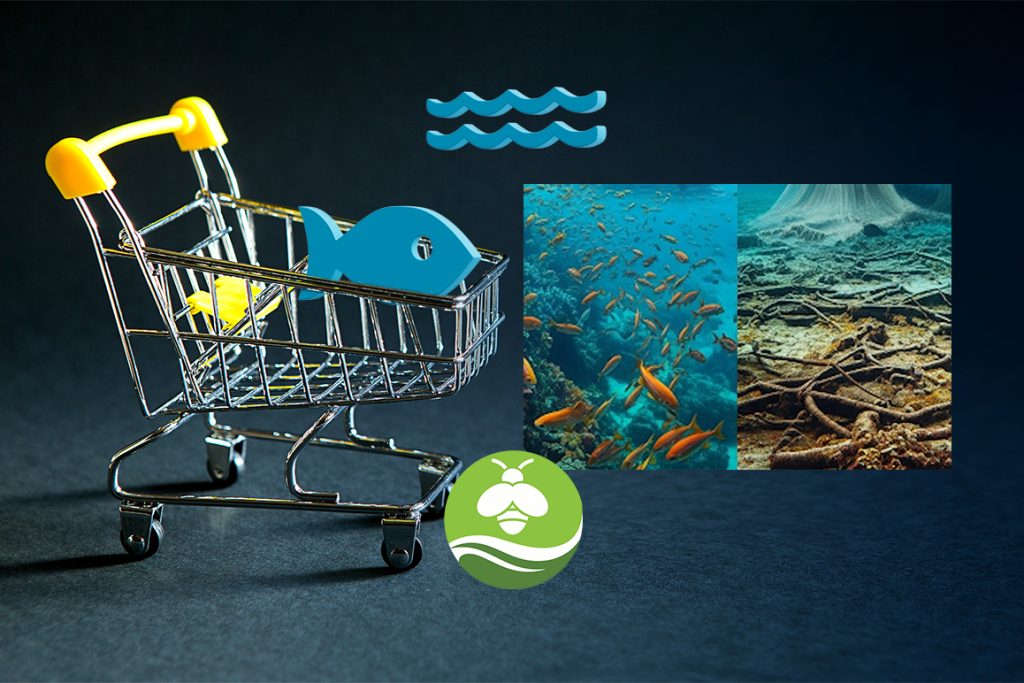
We all know that our planet’s oceans, vast and seemingly endless, are under immense pressure. Beyond the obvious threat of plastic pollution, a less visible but equally destructive force is at play: the relentless commercial exploitation of marine life for a staggering array of consumer products and byproducts.
As consumers, our purchasing choices hold significant power. By thoughtfully boycotting products that contain marine-derived ingredients, we can send a clear message, helping to reduce environmental impact and champion the health of our invaluable marine ecosystems.
It’s easy to think of “marine products” only in terms of seafood on our plates. However, the tentacles of commercial exploitation reach far wider, into our cosmetics, supplements, pet food, and even agricultural fertilizers. The demand for these often-hidden ingredients drives industrial-scale fishing practices that decimate fish populations, destroy habitats, and contribute to unsustainable levels of bycatch – the unintentional capture of non-target species, including vulnerable and endangered marine life.
The concept of “byproducts” further complicates the issue. While some argue that utilizing “waste” from fisheries is sustainable, the sheer volume of these byproducts often stems from an unsustainable initial catch. When up to 75% of a fish catch can be considered “by-product” (heads, viscera, bones, scales, etc.), it highlights the scale of the original exploitation. Even if these byproducts are efficiently utilized, the fundamental problem of overfishing remains.
The Invisible Toll: Products and Byproducts to Reconsider
To truly make a difference, consumers need to be aware of the less obvious ways marine life ends up in their daily lives. Here’s a list of consumer products that often contain ingredients derived from vulnerable marine species, along with examples:

Omega-3 Supplements (Fish Oil)
This is perhaps the most well-known. While Omega-3s are beneficial, the primary source is often small, oily fish like anchovies, sardines, and menhaden. These “forage fish” form the base of the marine food web, and their over-exploitation has ripple effects on larger predators like tuna, whales, and seabirds.

Action: Look for plant-based Omega-3s derived from algae. These are increasingly available and offer a sustainable alternative.

Cosmetics and Personal Care Products
The beauty industry has increasingly turned to the ocean for “natural” ingredients, often without sufficient regard for sustainability.
- Collagen and Elastin: Often derived from fish skin, scales, and jellyfish. These are popular anti-aging ingredients.
- Chitosan: Derived from crustacean shells (e.g., crabs, shrimp). Used as a thickening agent, moisturizer, and antimicrobial in various products.
- Marine Algae/Seaweed Extracts (e.g., Kelp, Spirulina): While some algae cultivation can be sustainable, large-scale harvesting of wild seaweed can disrupt ecosystems. Be mindful of sourcing.
- Guanine: A shimmering pigment found in fish scales, used to add sparkle to cosmetics like nail polish, eyeshadow, and lip gloss.
- Squalene: Historically, a significant source of squalene was shark liver oil. While plant-based alternatives (from olives, sugarcane, or amaranth) are now more common, shark-derived squalene may still exist.
Action: Research brands and look for certifications or clear statements about plant-based alternatives. Many companies are now explicitly advertising “vegan collagen” or “algae-derived squalene.”

Pet Food and Animal Feed
A substantial portion of the global fish catch, including forage fish and byproducts, is processed into fishmeal and fish oil for animal feed, particularly in aquaculture (farmed fish) and poultry industries.
- Fishmeal and Fish Oil: Found in many dry and wet pet foods, particularly for cats and dogs, and increasingly in feed for farmed salmon and other aquaculture species. The demand for these ingredients drives the capture of vast quantities of wild fish.
Action: Choose pet foods that specify sustainably sourced protein (e.g., poultry, insects, or plant-based proteins) or carry certifications like MSC (Marine Stewardship Council) if marine ingredients are used. Support aquaculture practices that minimize reliance on wild-caught fish for feed.

Fertilizers and Soil Conditioners
Fish emulsion and other marine-derived products are used in agriculture as natural fertilizers.
- Fish Emulsion/Hydrolysate: Made from fish waste or whole fish, used as a nutrient-rich plant food.
Action: Opt for plant-based composts, worm castings, or other non-marine organic fertilizers.
The Scourge of Ocean Bed Dredge Netting: A Double Devastation
Beyond the ingredients themselves, the methods of extraction are critical. One of the most destructive commercial fishing practices is ocean bed dredge netting, often employed by large fish factory vessels along coastlines. This method involves dragging heavy, weighted nets or dredges across the seabed, literally scraping up everything in their path.
Environmental Impact:
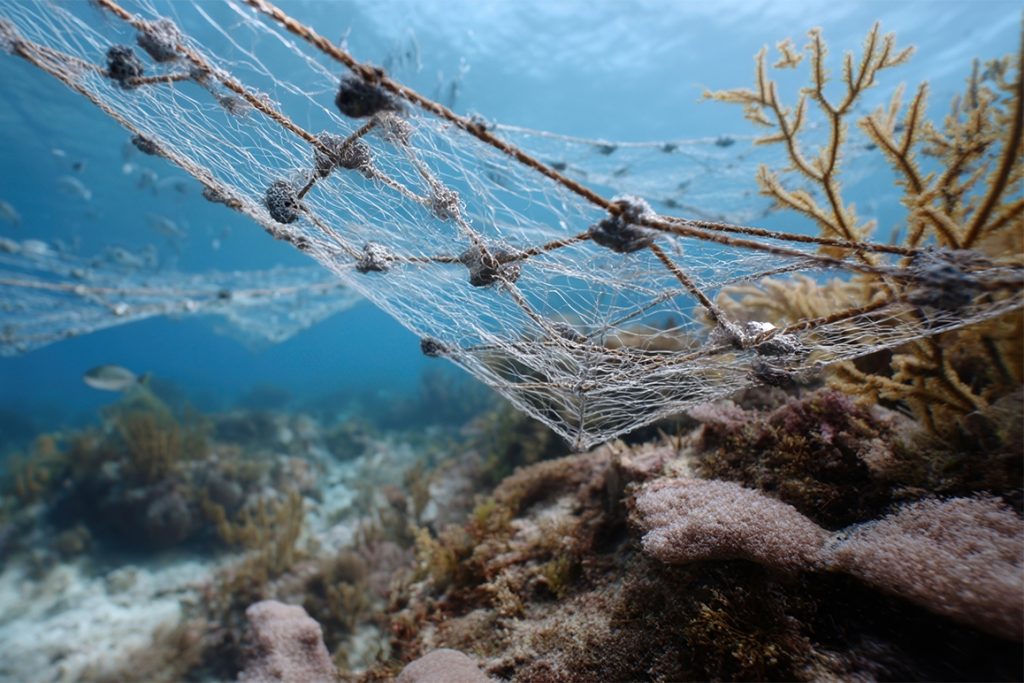
- Habitat Destruction: Dredging obliterates delicate marine ecosystems. It tears up seagrass meadows, smashes coral reefs (including slow-growing cold-water corals), and flattens maerl beds – vital nursery grounds and shelters for countless marine species. The physical act of dredging also churns up sediments, smothering organisms and releasing dormant toxins.
- Non-Selective Bycatch: Dredge nets are notoriously indiscriminate. They scoop up not just target species (like clams, scallops, or flatfish) but also vast quantities of non-target marine life, including juvenile fish, crabs, starfish, sponges, and other invertebrates. Much of this “bycatch” is discarded, often dead or dying, contributing to massive waste and further disrupting the food web.
- Long-Term Ecosystem Damage: The recovery of seabed habitats after dredging can take decades, even centuries, particularly in deep-sea environments where life cycles are much slower. This persistent damage fundamentally alters the marine landscape and reduces overall biodiversity.
Impact on Coastal Communities and Small-Scale Fishing:
The consequences of dredge netting extend far beyond the ecological. For coastal communities around the world, particularly those in developing nations, small-scale or artisanal fishing is not merely a livelihood; it’s a way of life, a cultural heritage, and a critical source of food security.
- Depletion of Local Fish Stocks: Fish factory vessels, with their immense capacity and destructive gear, rapidly deplete fish stocks that small-scale fishers rely on. This leaves local communities with fewer fish to catch, impacting their income and traditional food sources.
- Destruction of Traditional Fishing Grounds: The very areas where artisanal fishers have historically operated are often the targets for industrial dredging, as these are typically productive shallow-water zones. The destruction of these critical habitats directly undermines the ability of local fishers to continue their trade.
- Economic Ruin: With fewer fish and damaged fishing grounds, small-scale fishers face economic hardship, often pushing them deeper into poverty. This can lead to forced migration, loss of cultural identity, and increased social instability within these communities.
- Gear Conflict: The presence of large factory vessels and their destructive gear can lead to conflicts with small-scale fishers, whose traditional, less impactful gear is easily damaged or destroyed by the industrial operations.
The Power of Conscious Consumerism

Boycotting isn’t just about refusing to buy; it’s about demanding change. When consumers collectively choose alternatives, industries are compelled to adapt. This shift in demand encourages:
- Development of Sustainable Alternatives: The increasing market for plant-based Omega-3s from algae is a testament to this power. Researchers are also exploring alternatives for other marine-derived compounds.
- Improved Sourcing and Transparency: Brands that recognize consumer concerns are more likely to invest in traceable supply chains and seek certifications (like MSC or ASC for aquaculture) that demonstrate responsible practices. However, it’s vital to remember that not all certifications are created equal, and some may have less rigorous standards.
- Reduced Pressure on Wild Stocks: Every decision to avoid a product linked to unsustainable marine exploitation, especially those derived from destructive practices like dredge netting, helps alleviate pressure on already struggling fish populations and delicate marine habitats. This, in turn, can allow local fish stocks to recover, benefiting the small-scale fishers who depend on them.
Our oceans are not an infinite resource. They are a complex, interconnected web of life that sustains us all. By understanding the true origin of the products we consume and making informed, ethical choices, we can become powerful advocates for marine conservation and support the livelihoods of coastal communities around the globe. Let’s dive deep into our purchasing habits and choose a future where our oceans thrive, not just survive.
