


One of the most exciting — and sometimes daunting — parts of planning your dream safari adventure is figuring out what to pack! We understand the apprehension that comes with curating your safari packing list, especially with tales of strict weight limits and unique luggage requirements. Rest assured, we’re here to demystify the process and ensure you bring everything you need for an unforgettable journey into the heart of the African bush.
LUGGAGE
The Crucial 20kg Rule: Why Less is More!
You’ve likely heard about the approximately 20kg (44 pounds) luggage restriction, and it’s absolutely true. This weight limit is paramount because your safari experience may include exhilarating private bush flights to and from the airport to reach remote bush camps. These smaller aircraft have strict weight and size limitations for safety and operational reasons. The good news? Our detailed packing guide will help you master the art of packing light and smart!
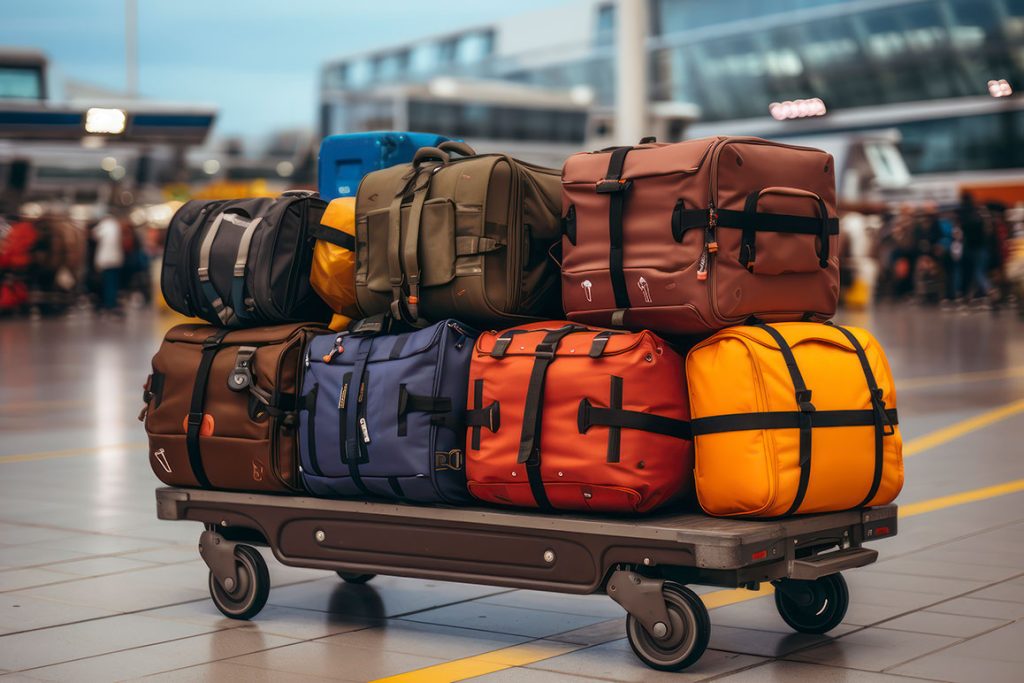
The Soft-Sided Safari Essential
Forget your rigid suitcases with wheels! For your safari, light, soft-sided luggage is a non-negotiable. We highly recommend a durable backpack or duffle bag. Why? Because the luggage compartments on bush planes are irregularly shaped, and soft bags can be easily stowed.
Your total luggage allowance, including your personal item, carry-on, and any checked-in bags, is a strict 20kg (44lbs). Every gram counts, so the lighter you pack, the smoother your journey will be.

Our Top Luggage Recommendations:
- Main Bag: A 40L – 45L backpack or duffle bag – robust yet flexible.
- Personal Item: A small, lightweight day bag or camera bag for your in-flight essentials and daily game drives.
Your Personalized Safari Packing List
While this guide offers comprehensive recommendations, remember that your ultimate safari packing list is personal. You know your comfort and needs best. Our suggestions below are designed to be a helpful framework, ensuring you’re prepared for the diverse conditions of the African wilderness.
CLOTHING: Comfort, Layers, and Earth Tones
Your clothing choices for your safari should prioritize comfort and practicality. The secret to successful safari dressing lies in layers. Mornings can be surprisingly chilly, especially on early game drives, while afternoons often bring intense heat.
To make packing easier, remember that most safari packages offer daily laundry services (excluding small items, for which most bush camps provide a wash basin). This means you can pack fewer items and enjoy fresh outfits throughout your stay.
Embrace Functionality over Fashion:
You’ll be spending most of your time in open-air safari vehicles, exposed to dust, sun, heat, and potentially rain. Comfort is key! Plus, the true stars of your photos will be the incredible wildlife – the lions won’t be judging your fashion choices, and neither will your fellow safari enthusiasts. This is Africa; immerse yourself in the experience!
Important Clothing Guidelines:
- Colors: Stick to neutral, earthy tones like tans, beige, browns, and greens. These colors blend seamlessly with the natural environment and are less likely to disturb wildlife.
- Absolutely NO Camouflage: Avoid camouflage clothing as it can be mistaken for military or ranger uniforms.
Clothing Essentials for Your Safari:
Headwear:
- Sunglasses (essential for glare and dust protection)
- Wide-brimmed hat (for sun protection)
- Beanie or warm hat (and consider ear muffs) for chilly early mornings
Protection:
- Face mask or bandana (in case of excessive dust on game drives)
- Warm scarf (versatile for warmth and dust protection)
- Lightweight but warm jacket (for layering)
- Sweater, sweatshirt, or fleece (for added warmth)
- Rainproof jacket or poncho (the weather can be unpredictable)
Innerwear:
- Undergarments (7 pairs of underwear, bras – easily hand-washed)
Shirts:
- 3-4 short-sleeved shirts (breathable, quick-drying fabrics are ideal)
- 2-3 long-sleeved shirts (for sun protection, warmth, and mosquito prevention in the evenings)
Pants:
- 2-3 pairs of comfortable pants (convertible cargo pants that zip off into shorts are highly recommended for versatility)
Socks:
- 7 pairs of wool socks (mid-calf or quarter ankle for comfort in boots)
Footwear:
- Hiking boots or comfortable, sturdy walking shoes (broken-in is best!)
- Sandals or flip-flops (for showers and walking around your tent)
TOILETRIES & STORAGE: Prepared for the Bush
Out in the remote African bush, there are no convenience stores. A forgotten item means going without, so meticulously review your daily routines when packing your toiletries kit.
Recommended Toiletries & Storage Items:
- Containers: Leak-proof travel bottles and containers
- Hydration: Insulated water flask (crucial for staying hydrated on game drives)
Sun & Bug Protection:
- Insect repellent lotion (with DEET or a natural alternative)
- High-SPF sunscreen
- Lip balm with SPF
Personal Care:
- Eyedrops (for dust and dry air)
- Moisturizing lotion
- Toothbrush, toothpaste, and floss
- Shaving kit
- Hand sanitizer
- Wet wipes (invaluable for quick freshen-ups)
- Hairbrush, ties, and any specific hair care products
- Nail scissors, file, clippers, and tweezers
Medical:
- All your typical prescription medicines (with original labels)
- Malaria tablets (if advised by your doctor for your travel region)
- Basic first-aid kit (pain relievers, antiseptic wipes, band-aids, antihistamines, rehydration salts).
ELECTRONIC DEVICES
Embracing the Digital Detox (Mostly!)
The magic of an African safari in the bush lies in its untouched wilderness. Power is a precious commodity, and cell towers are non-existent. Embrace the opportunity to truly UNPLUG from the world during your safari – it’s a rare and liberating experience!
Your tent will feature solar lights, but no plug-in outlets. For charging your essential electronics, a communal charging station in the main dining area. We recommend topping up all your batteries each night for the day ahead. While most camps offer a power strip, if you have extensive charging needs, consider bringing your own small, multi-outlet power strip to be courteous to other guests.
During your morning and afternoon (or all-day for mobile camping) safari drives, there are no charging opportunities in the vehicle unless you bring your own portable USB power banks. We strongly recommend bringing at least two for your camera batteries and other small devices.
Some of the more modern safari vehicles, like those used at our 4 Day Luxury Mobile Safari in Khwai, Botswana, are equipped with USB ports for device charging. They also feature refrigerators to keep drinks cold all day, and adjustable arm rest camera mounts to support serious photography. A portable toilet is included for the disabled, the elderly, and any guest that may have challenges squatting in the bush. Hooded ponchos with warm flannel lining and thick blankets are provided for chilly morning and night game drives.
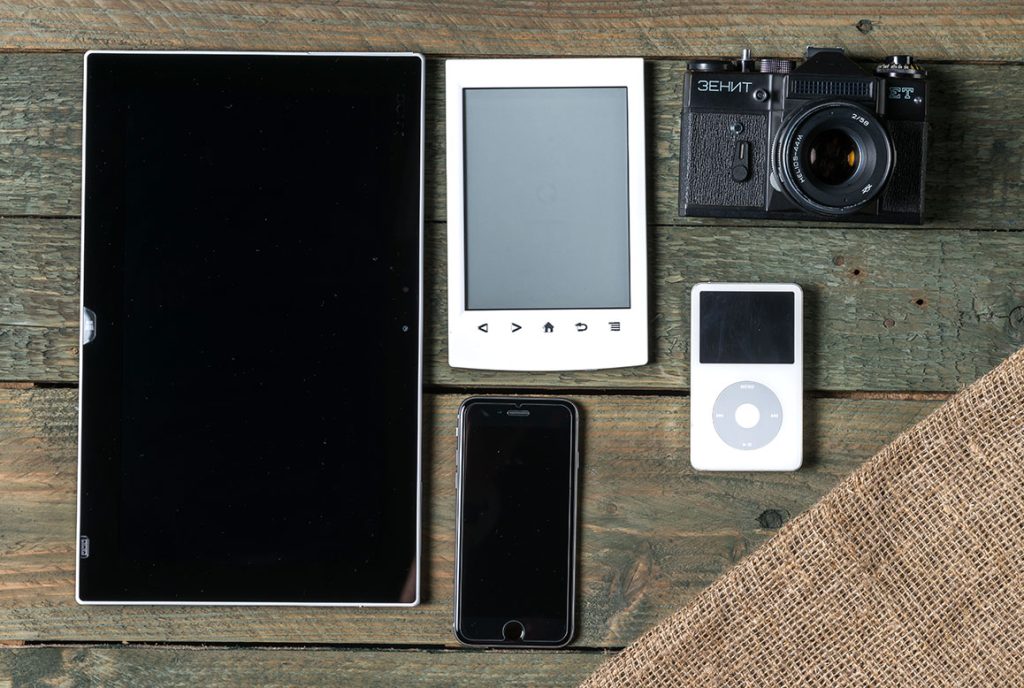
Essential Electronic Devices & Accessories:
Power:
- Power outlet adapter (Type M electric plug – common in South Africa and Botswana)
- Small portable power strip (optional, but recommended for multiple devices)
- 2-4 portable USB power banks (essential for charging on the go)
Communication & Photography:
- Mobile phone (for emergencies, but primarily to be kept on airplane mode)
- Mobile phone power cords
- Camera and various lenses (telephoto lenses are fantastic for wildlife!)
- Plenty of camera memory cards (you’ll take more photos than you think!)
- Camera power cords
- 2-4 spare camera batteries (charged!)
Comfort & Observation:
- Noise-canceling headphones (the sounds of the bush can be surprisingly loud at night if you’re a light sleeper)
- Compact portable flashlights (most bush camps provide flashlights in your tent, but a personal one is handy)
- Binoculars (absolutely essential for spotting and identifying wildlife from a distance – don’t leave home without them!).
OTHER IMPORTANT TRAVEL ITEMS
You’re not likely to forget these but they are worth mentioning to ensure that your packing list is complete.
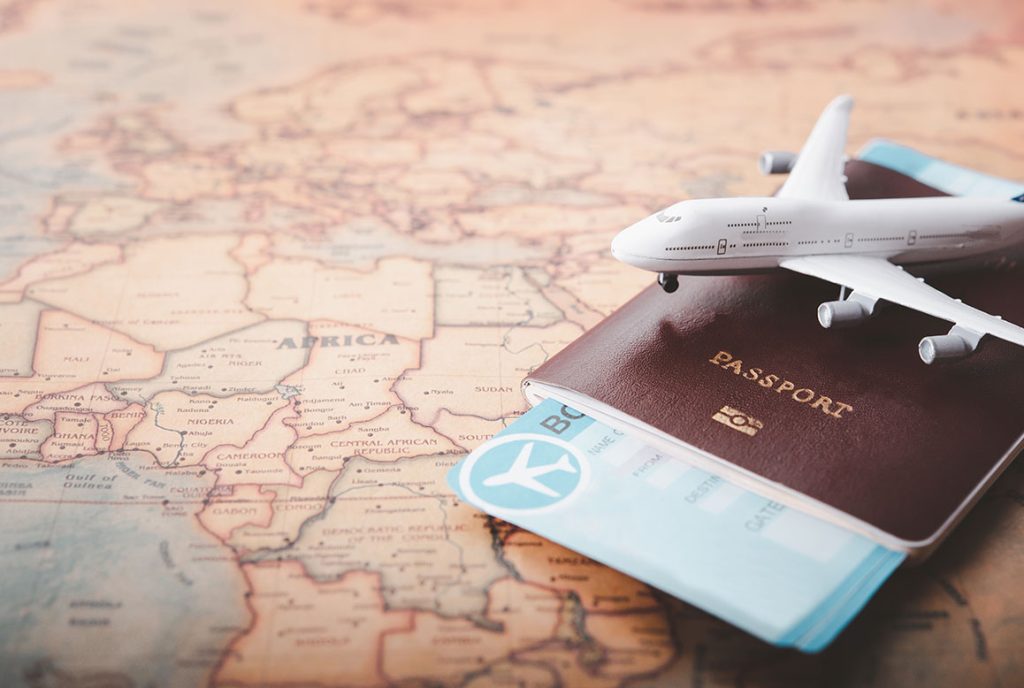
Documentation:
- Valid Passport (ensure it has at least 6 months validity from your return date and sufficient blank pages)
- Printed Itinerary with flight and lodging information (and digital copies on your phone/email)
- Visa information (if required for your nationality)
Finances:
- Bank debit card
- One credit card (preferably Mastercard or Visa) that does NOT charge foreign transaction fees.
- Cash (small denominations are essential for tipping your guides, camp staff, and other service providers – a significant part of the safari experience)
Health & Safety:
- Copy of your travel insurance policy
- Contact numbers for emergencies
- Small day pack/drawstring bag for daily game drives
- Small reusable shopping bag (for souvenirs)
- Personal journal and pen (to record your amazing safari memories!)
- A good book or e-reader for downtime
Pre-Safari Checklist:
Before you depart, take a moment to:
- Inform your bank and credit card companies of your travel dates to avoid any issues with transactions.
- Download offline maps of the general area if you wish (though connectivity will be limited).
- Charge all your devices fully before you leave home.
- Pack a change of clothes in your carry-on in case your main luggage is delayed (though rare with bush flights).
- Purchase travel insurance that covers medical emergencies, trip cancellation, and lost luggage (this is essential).
We can’t wait to welcome you to the incredible wilderness on your next Naturecrazi Safari and Tours adventure! By following this comprehensive packing list, you’ll be well-prepared to fully immerse yourself in the magic of the African bush.
